


For professional estheticians, waxing is as much a science as it is a craft. Precision, timing, and control all come into play, but one of the most critical elements behind a flawless wax is temperature. Knowing what temperature should wax be for waxing is the difference between a clean, smooth removal and a painful mishap.
Whether you’re refining a Brazilian wax or getting ready for a facial hair treatment, controlling and understanding wax temperature is fundamental to achieving safe, efficient, and comfortable hair removal.
Temperature control isn’t just a detail — it’s a dealbreaker. When the wax is too hot, it risks burning the skin. Too cool, and it won’t adhere to the hair properly. The ideal temperature for waxing ensures the wax is pliable, spreadable, and effective at gripping hair without harming skin.
Maintaining this balance is crucial for both client comfort and effective hair removal. Inconsistent heating can lead to patchy results, prolonged sessions, or worse — skin irritation, bruising, or burns. Clients trust licensed professionals to deliver consistent, safe outcomes. Waxing without monitoring heat risks compromising that trust.
A range of factors affects what temperature is good for waxing: the type of wax used, the area of the body being treated, and even the room environment. Mastering temperature control means understanding how each of these elements works together — and how to adjust them in real time.
All waxes aren’t created equal. Each type requires its own perfect waxing temperature and handling technique.
Melting points differ significantly. For instance, hard wax beads begin to melt at a higher temperature, but should be allowed to cool slightly before application. Soft wax melts quicker but becomes unusable if overheated. Application techniques also vary: soft wax demands precision and speed, while hard wax allows for more working time before it sets.
Understanding these differences helps ensure you’re not just melting wax — you’re preparing it to perform.
it won’t adhere to the hair properly. The ideal temperature for waxing ensures the wax is pliable, spreadable, and effective at gripping hair without harming skin.
Maintaining this balance is crucial for both client comfort and effective hair removal. Inconsistent heating can lead to patchy results, prolonged sessions, or worse — skin irritation, bruising, or burns. Clients trust licensed professionals to deliver consistent, safe outcomes. Waxing without monitoring heat risks compromising that trust.
A range of factors affects what temperature is good for waxing: the type of wax used, the area of the body being treated, and even the room environment. Mastering temperature control means understanding how each of these elements works together — and how to adjust them in real time.
Several variables influence the actual temperature you’ll need to use during a session.
Being aware of these variables ensures smoother application, less waste, and a better overall client experience.
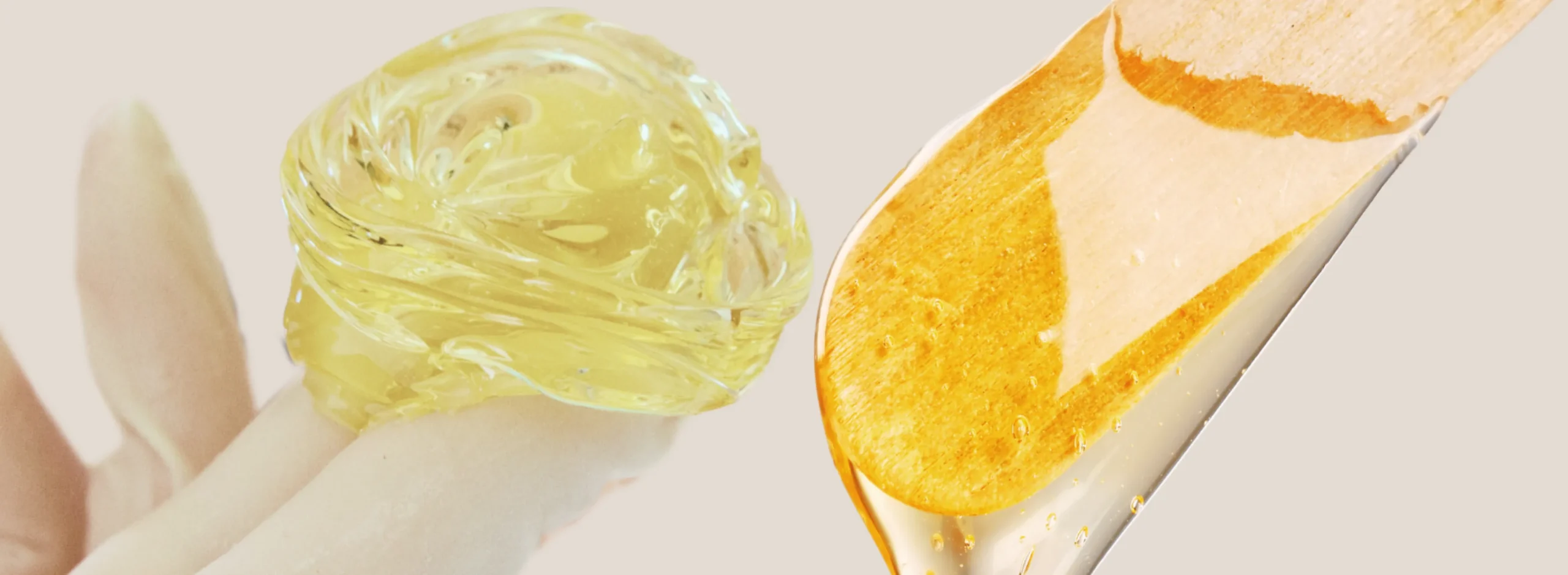
Professionals don’t just rely on thermometers — they use their eyes and hands.
Visual and Tactile Cues: Wax should resemble warm honey or thick syrup, not watery soup or stiff putty. For hard wax, look for a glossy, peanut butter-like consistency. It should roll off your spatula slowly but evenly. For soft wax, a thinner, runnier texture is appropriate — but it should still coat the spatula without dripping immediately.
Adjusting Based on Behavior: If the wax strings excessively or dries before you can apply it, it’s too cool. If it runs off the spatula or burns the skin, it’s too hot. Learn the feel of good wax. As a rule, always test a small patch on your wrist or forearm before touching a client.
Avoiding Mistakes: Overheating can degrade the formula, causing it to become brittle or lose adhesion. Repeated reheating without proper stirring creates hotspots that can lead to burns. Always stir thoroughly after adjusting heat, and never leave wax in a warmer overnight.
Perfect consistency is the sign of a waxing pro. It takes practice — but once mastered, it transforms your workflow.
Even the best wax and equipment can’t guarantee success without skilled technique and attention to detail. These expert tips help elevate your practice and ensure every session runs smoothly.
Safe heating isn’t just about client safety — it’s about preserving product integrity and protecting your equipment.
Even experienced professionals encounter problems, but knowing how to respond is key.
Quick fixes require attentiveness. Never guess — always check, test, and adjust deliberately.
Patch Testing for Temperature Tolerance: Even if your wax feels right, your client’s skin may respond differently. Begin by conducting a patch test on a less sensitive area of the skin. This isn’t just about allergic reactions — it’s also about heat sensitivity.
Use a Thermometer: Relying on dial settings alone can be risky. An infrared thermometer provides instant, accurate surface readings. Check wax temperature regularly during longer sessions to maintain consistency.
Ongoing Training: Products evolve. So do client expectations. Regular workshops, online courses, and hands-on seminars help you stay updated on the latest wax formulas, tools, and techniques. Keeping up with best practices isn’t optional — it’s professional.
Consistent education ensures your results remain top-tier. Confidence in your technique begins with control over your tools — and temperature is one of the most vital.
The key to perfect waxing lies in temperature mastery. When you understand the best temperature for waxing, you unlock better adhesion, cleaner pulls, and happier clients. Whether you’re working with hard or soft wax, the right heat transforms the entire experience — from application to removal.
But temperature control isn’t just about performance — it’s about protecting your client’s wellness and your reputation. Always place safety, clear communication, and proper technique above speed or cutting corners.
For professionals seeking to refine their waxing workflow, Buyitalwax.com offers premium waxes and salon-grade equipment built for precision, safety, and top-tier results. Explore resources, tools, and product lines tailored to licensed estheticians committed to excellence.
Because when it comes to waxing, every degree counts.




Having trouble registering?
Share your email with us and we’ll personally assist you as soon as possible.