Home > Blog > What to Use Instead of Deodorant After Waxing?
What to Use Instead of Deodorant After Waxing?
Why You Should Avoid Deodorant Right After Waxing
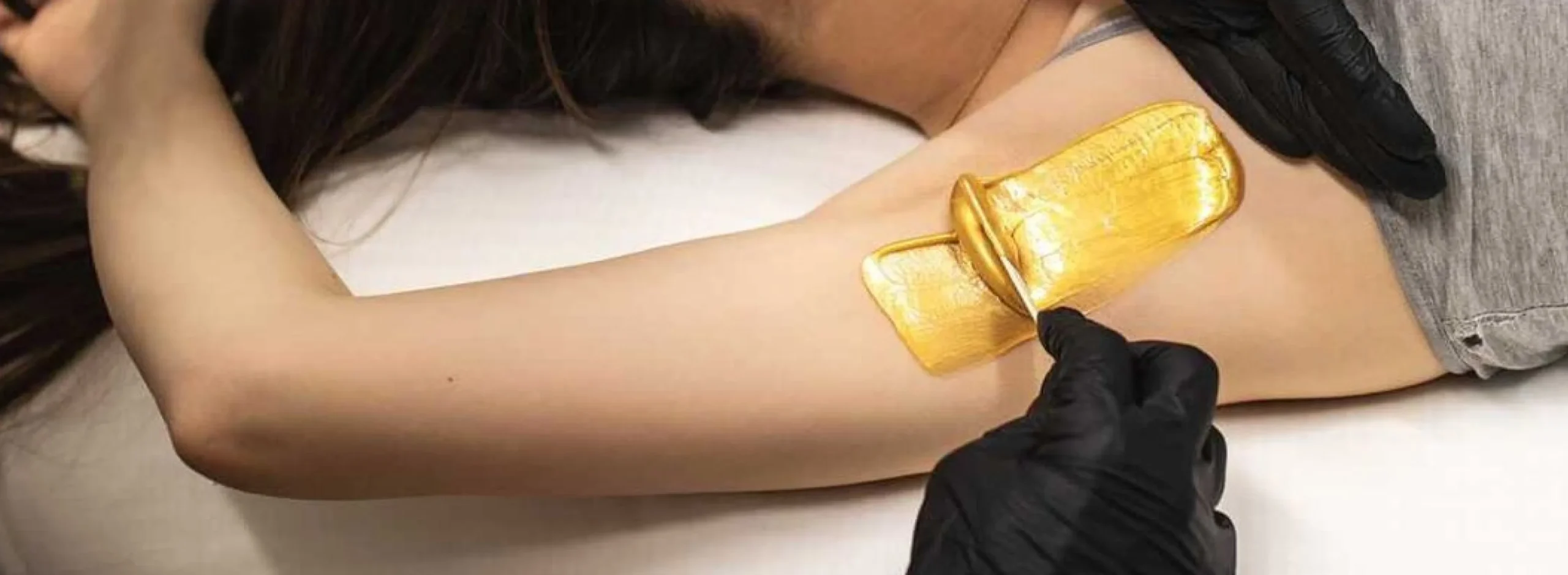
Waxing removes hair from the root, which opens up the pores and makes the skin temporarily more vulnerable. Applying deodorant immediately after a waxing session, especially in the underarm area, can cause irritation, burning, or even long-term damage. Most products contain alcohol, fragrance, or harsh ingredients that are not suitable for freshly waxed skin.
These substances can enter the open pores, triggering redness, discomfort, or allergic reactions. Additionally, aluminum-based antiperspirants may clog follicles and increase the risk of ingrown hairs or infection. That’s why understanding what to use instead of deodorant after waxing is crucial for your clients’ skincare routine.
How Long Should You Wait Before Applying Deodorant?
Many wonder: can you put on deodorant after waxing? The short answer is — not immediately. Experts recommend waiting at least 24 to 48 hours after waxing before applying any standard deodorant or antiperspirant. This allows the skin to recover and the pores to close properly, minimizing irritation.
For people with sensitive skin, waiting up to 72 hours is advisable. It’s best to monitor one’s body’s reaction during this period. If your client still experiences redness, itchiness, or tenderness, recommend them to hold off on any topical product until the skin returns to normal.
What to Use Instead of Deodorant After Waxing
If you clients are concerned about odor but want to avoid further irritation, they should consider switching to gentler options. Here’s what to use instead of deodorant after waxing to stay fresh while caring for the skin:
Aloe vera gel: A natural soother that calms inflammation and hydrates the skin without clogging pores.
Witch hazel spray: Alcohol-free spray that acts as an astringent, helping to reduce bacteria and prevent odor.
Coconut oil: Offers antimicrobial properties and acts as a mild natural deodorizer while moisturizing the area.
Talcum powder or anti-sweat powder: Absorbs sweat and prevents friction, though it should be fragrance-free and used sparingly.
Baking soda and lemon juice (very diluted): This combo can be dabbed lightly as a natural deodorizer but should only be used after 24 hours and with extreme care.
Apple cider vinegar (ACV): Diluted ACV acts as a mild antibacterial agent. It can be used as a dab-on treatment, but only after the initial healing hour or two.
These alternatives are mild enough to support the healing process while controlling odor gently.
Choosing the Right Deodorant After Healing
Once the skin has healed and is no longer sensitive, your clients can transition back to using deodorant — but not just any kind. It’s better to look for products that are free from alcohol, fragrance, and aluminum. The best after-wax deodorants are:
Natural deodorants: Formulas with arrowroot, baking soda, and magnesium are safer and less irritating.
Gel-based deodorants: Lightweight and soothing, ideal for minimizing friction and letting the area breathe.
Roll-ons with moisturizers: These often include aloe vera or chamomile, which support the skin’s barrier.
One should try to test new deodorants on a small patch before fully applying them, especially after waxing.
Post-Wax Skincare Tips for the Underarms
Taking care of the underarms post-waxing ensures better results and reduces the chances of complications. Here’s a skincare checklist for your clients to follow:
Keep the area clean: Use a gentle cleanser, avoiding harsh soaps or scrubs for 48 hours.
Wear loose clothing: Avoid tight tops that cause sweating or friction, which can irritate the freshly waxed skin.
Apply cold compresses: To reduce swelling or discomfort, use a clean towel and ice wrapped in cloth.
Avoid gym, sauna, or hot showers: These environments promote sweat and bacteria growth, increasing irritation or infection risks.
Use a fragrance-free moisturizer: Light lotions help hydrate the skin and speed up recovery.
Be consistent with your care routine for long-term benefits and to maintain smooth, healthy underarms between appointments.
Long-Term Aftercare: Stay Smooth and Odor-Free
Maintaining a regular waxing schedule helps reduce hair density and minimizes discomfort over time. Between appointments, advise your clients to follow these tips to improve their post-wax routine:
Exfoliate weekly: Gently remove dead skin cells to prevent ingrown hairs and clogged pores. Avoid exfoliating for 3–4 days post-wax.
Moisturize daily: Use non-comedogenic moisturizers to keep the skin supple.
Stay hydrated: Drinking water supports overall skin health and elasticity, helping the waxing process become smoother.
Use antibacterial sprays (natural): These can be helpful to refresh the area on hotter days without compromising skin health.
Over time, they’ll notice that the skin responds better to waxing and requires less intense treatment.
Conclusion
Understanding what to use instead of deodorant after waxing is key to avoiding unwanted reactions like redness, bumps, and irritation. Choosing gentler, natural alternatives and giving the skin time to heal ensures a more pleasant and healthy waxing experience.
Clients should consult their esthetician or waxing professional about safe post-wax care tailored to their specific needs. You can recommend products and routines that support both hygiene and comfort.
So, can one put on deodorant after waxing? Yes, but only once the skin is fully recovered — and even then, it’s better to opt for skin-friendly choices that won’t reverse the smooth results you worked hard to achieve.